Research Areas

I am interested in both mechanisms (algorithms that do one thing well), as well as in architectures (systems that integrate mechanisms, to do many things well). Specifically, I am interested in mechanisms and architectures that concern artificial social intelligence, i.e., the social mind.

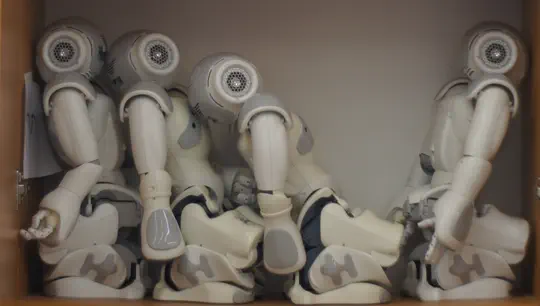
This translates into specific interests and research projects combining planning, execution, and learning in areas such as multi-robot coordination and teamwork, robot swarms (including molecular robots (nanobots)), plan recognition and goal recognition, and recently, LLM-based agents.

Sometimes, the research takes me further than anticipated. For example, work on learning in rational swarms have led to interest in multi-agent reinforcement learning; and advances in plan recognition has led to investigate models of human social cognition.

The main research projects are listed below. There’s a lot more that isn’t covered here, but can be found by browsing the publications, by topic.
Rational Swarms
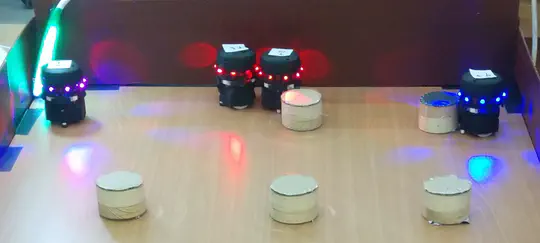
Multi-Agent Reinforcement Learning, Game Theory, and Robot Swarms
Tolkien Project: Programming Molecular Robots (Nanobots)
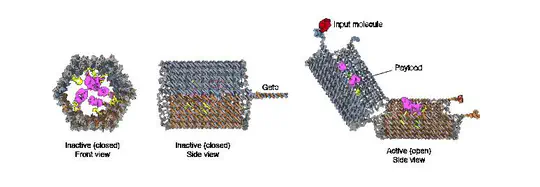
The Tolkien Project seeks to develop artificial intelligence methods to revolutionize the development of nanobots (molecular robots) for medical applications.
Plan-, Goal-, and Intent- Recognition
Algorithms that allow one agent to understand what others are doing, intend to do, and want to achieve.
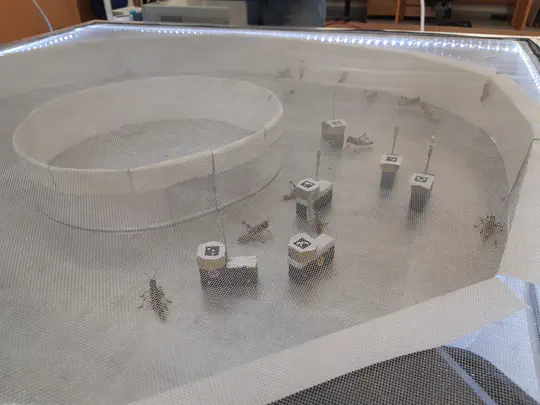
Mixed Robot-Animal Swarms
A mixed swarms of robots and locusts (yes, the insects) allows cross-disciplinary science: biology, robotics, AI.
Computational Modeling of Human Social Cognition
Algorithms and Computer Models of Human Social Cognition.
BITE: Bar Ilan Teamwork Engine
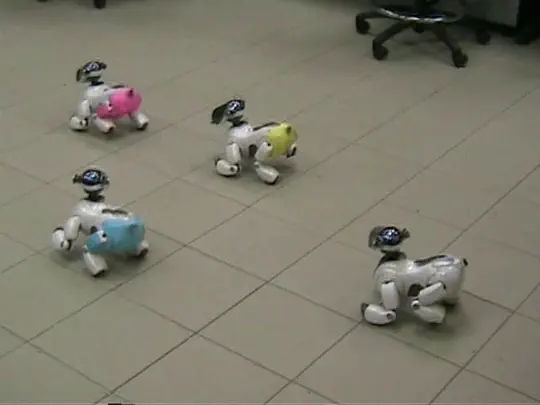
Distributed multi-robot teamwork control architecture. Whatever the task, the robots will act as a team.
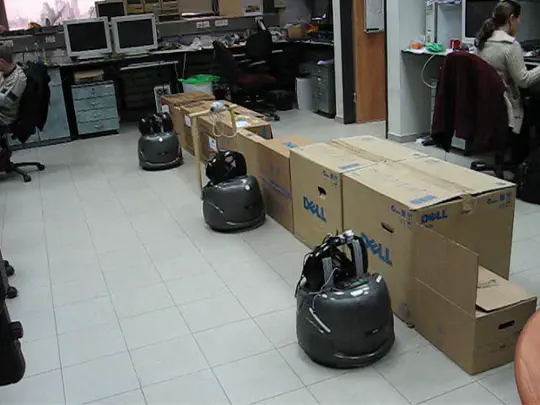
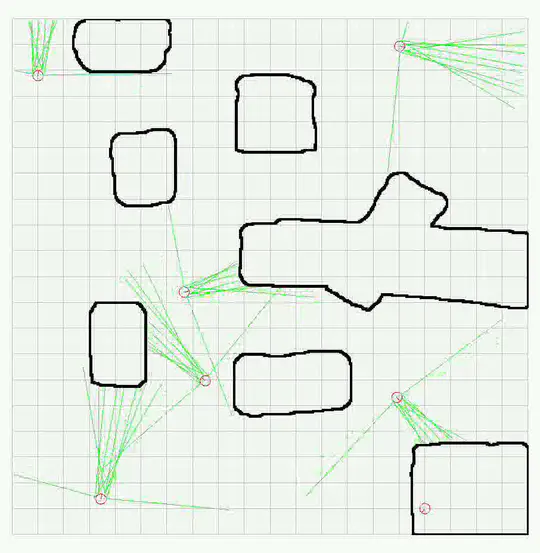
Multi-Robot Teamwork in Coverage, Patrolling, and Formation Maintenance.
Multiple robots maintaining a geometric formation, covering an area, or patrolling.
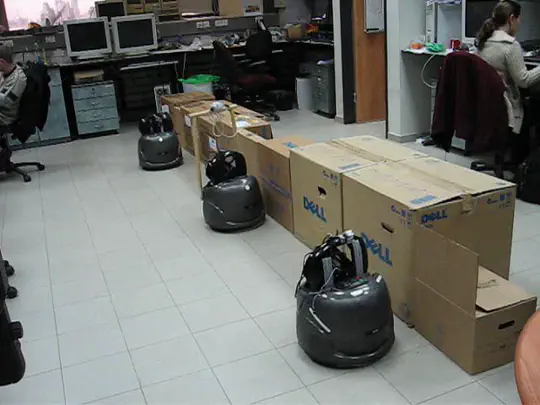
Multi-robot formation maintenance
Multiple robots maintaining a geometric formation or localizing with respect to each other.